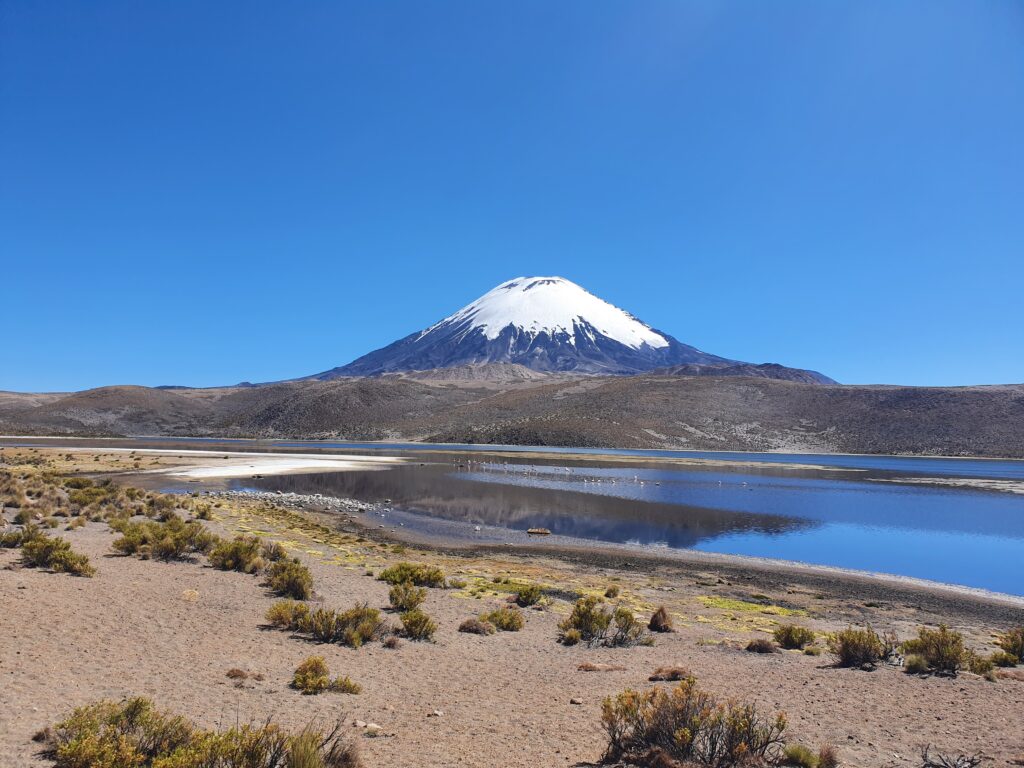
Travel Tips for Peru and Bolivia
Practical Information for Your Journey through the Andes
Peru and Bolivia are among the most fascinating travel destinations in South America, offering spectacular mountain landscapes, rich cultural heritage, and warm hospitality. To ensure your trip is both safe and memorable, we’ve compiled the most important travel tips for you:
 Best Travel Time
- Andes & Highlands: May to October (dry season – perfect for trekking, mountaineering, and round trips)
- Amazon Region: Hot and humid all year; best time is July to September
- Salar de Uyuni: Dry season (May–October) for classic desert landscapes; rainy season (Dec–Mar) for stunning mirror effects
 Altitude Acclimatization
Many places are located above 3,500 m – proper acclimatization is essential:
- Start in lower cities like Arequipa or Sucre for gradual adaptation
- Stay hydrated, avoid alcohol, and take it easy during the first few days
- Coca tea or coca candies can help with mild symptoms
- In case of severe altitude sickness (headache, nausea, shortness of breath): descend immediately!
 Entry & Visa Requirements
- For citizens of Germany, Austria, Switzerland:
- Peru & Bolivia: Visa-free stay for up to 90 days
- Passport must be valid for at least 6 months upon entry
- Bolivia may require proof of onward travel (e.g., return flight)
 Money & Payment
- Currencies:
- Peru: Soles (PEN)
- Bolivia: Bolivianos (BOB)
- US dollars are widely accepted or exchanged
- ATMs are common in cities – Visa and Mastercard work best
- In remote areas, cash is essential
- USD bills must be clean and undamaged – no tears or folds!
 Health & Hygiene
- Only drink bottled, boiled, or filtered water
- Bring a basic travel pharmacy: painkillers, stomach medicine, rehydration salts, disinfectant, altitude meds if needed
- Recommended vaccines: Tetanus, Hepatitis A/B, Typhoid
- Yellow fever vaccination is advised for jungle trips and required if entering Brazil after Bolivia
 Transportation
- Long-distance buses are the most common and affordable way to travel:
- Peru: Cruz del Sur, Oltursa, Movil Tours
- Bolivia: Todo Turismo, Trans Copacabana
- Domestic flights save time on long routes (e.g. Lima–Cusco, La Paz–Sucre)
- In rural areas: minibuses (colectivos) or shared taxis
- For remote regions: consider 4×4 tours or private drivers
 Trekking & Mountaineering
Both countries are a paradise for hikers and climbers:
- Peru: Santa Cruz Trek, Ausangate, Salkantay, Nevado Pisco, Huascarán
- Bolivia: Cordillera Real, Huayna Potosí, Condoriri, Sajama Volcano
- Proper gear, experience, and slow altitude adjustment are essential
- Local guides and porters are affordable and often very helpful
 Accommodation
- Cities and tourist areas offer a wide range of hostels, hotels, and boutique stays
- In smaller villages: simple, family-run hostales or guesthouses
- Reserve in advance during high season (June–August) and holidays
- In trekking areas: tents or basic mountain huts
 Language & Communication
- Spanish is the main language – basic knowledge is very useful
- In rural areas, you may also hear Quechua or Aymara
- English is spoken in most tourist hubs
- Apps or phrasebooks are helpful for communication
 Safety Tips
- Generally safe countries, but common sense is essential:
- Watch out for pickpockets in markets and public transport
- Use reliable bus companies for night travel
- Don’t display valuables
- Follow local advice during strikes or protests
 Internet & SIM Cards
- Most hotels and hostels offer Wi-Fi
- Local SIM cards are cheap and easy to get:
- Peru: Movistar, Claro
- Bolivia: Entel, Tigo
- Prepaid data plans are great for navigation and communication
 Cultural Etiquette
- Be respectful and modest in your behavior