The travel blog on SuedamerikaTours.de focuses on all topics related to mountains, trekking, summits, and adventure travel, especially in South America.
Discover in-depth reports on expeditions, mountaineering, hiking, cultural discoveries, and natural phenomena, as well as practical advice for outdoor activities.
Subscribe to our newsletter and receive the latest from our travel blog.
CONTACT US
Connect with us Instantly
Phone +59 (0) 52 52-93 60 372
Mobile +49 (0) 151-15 58 29 11
info@sudamerikatours.de
Gladiolenweg 23 33175 Bad Lippspringe
Mountaineering in the Atacama Desert in Northern Chile
The Atacama Desert in Chile – The Driest Desert in the World
🏜️ A Unique Landscape Between the Andes and the Pacific
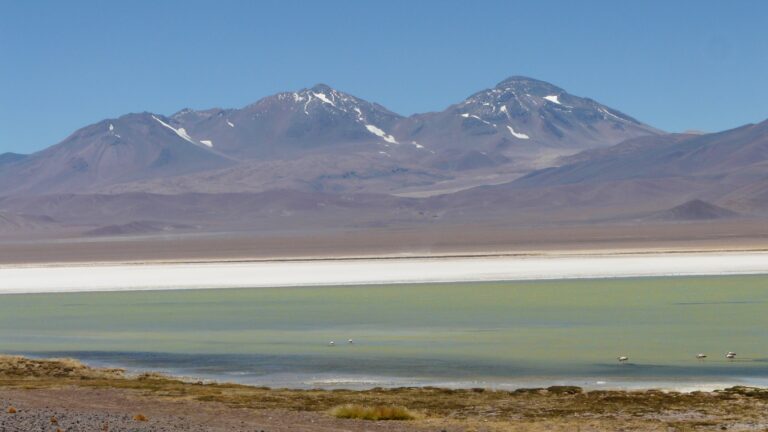
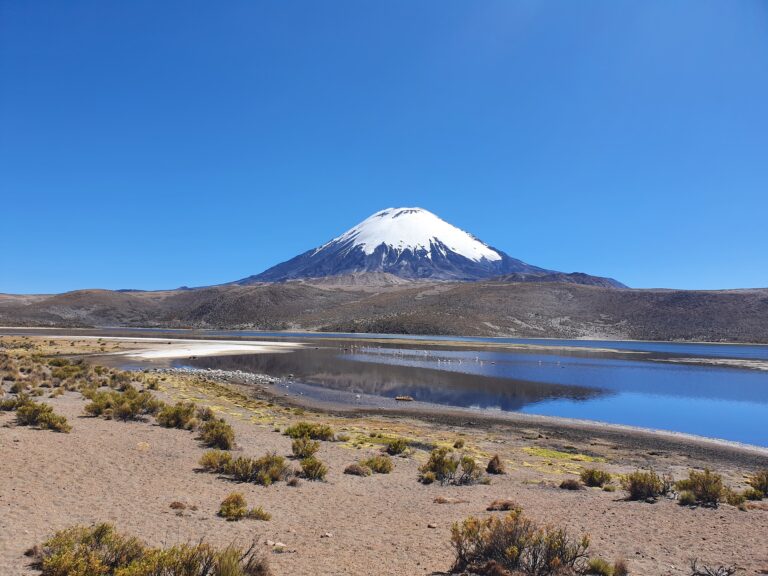
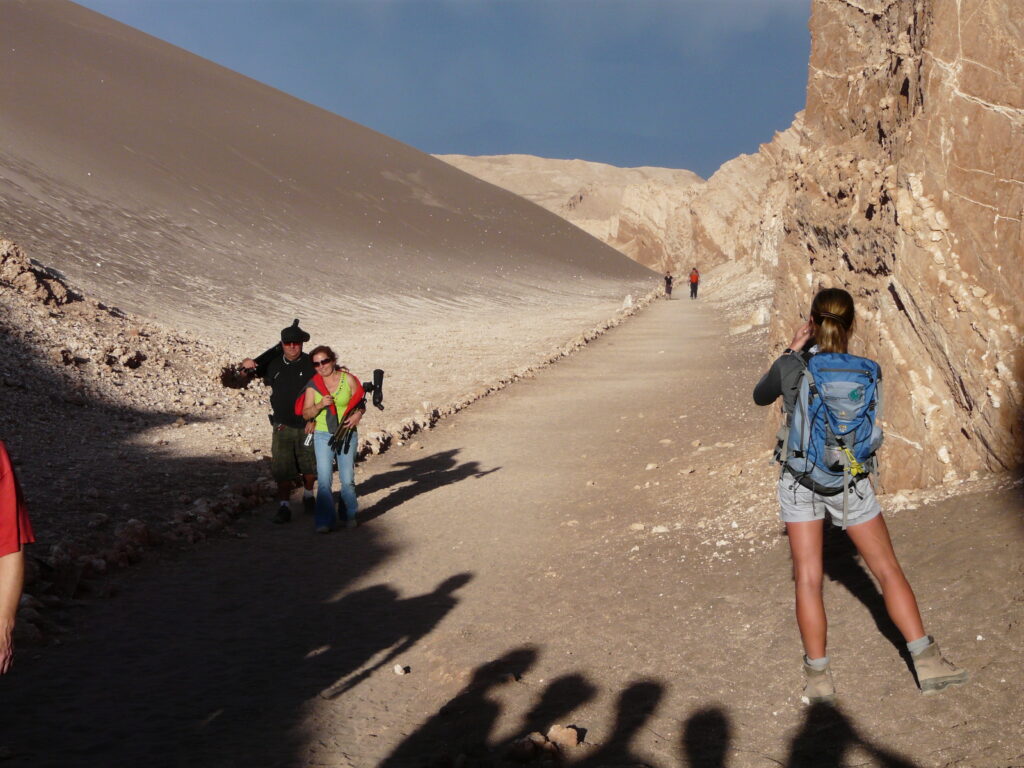
The Atacama Desert in northern Chile is considered the driest non-polar desert on Earth. With its surreal landscapes, bizarre rock formations, salt flats, geysers, and volcanoes, it captivates travelers, scientists, and photographers alike. The region offers not only geological extremes but also cultural and astronomical highlights—in an environment that often feels more like Mars than Earth.
🌍 Geography and Key Facts
Location: Northern Chile, between the Pacific coast and the Andes
Extent: Approx. 1,000 km from north to south
Area: Around 105,000 km²
Elevation: Ranges from sea level to over 6,000 m in the high Andes
Precipitation: Some areas receive less than 1 mm per year; some places have seen no rain in decades
Climate: Extremely dry, with wide temperature swings between day and night
The Atacama’s dryness is the result of a combination of the cold Humboldt Current, high-pressure zones over the Pacific, and the Andes mountain range, which blocks moist air masses from the east.
🗺️ Political and Regional Overview
The Atacama Desert spans several administrative regions of Chile:
Arica y Parinacota Region
Tarapacá Region
Antofagasta Region
Atacama Region
The main hub for tourism in the area is the small desert town of San Pedro de Atacama, which serves as the perfect base for exploring the surrounding natural wonders.